
True Crime vs. Courtroom Reality: What TV Gets Wrong About the Law
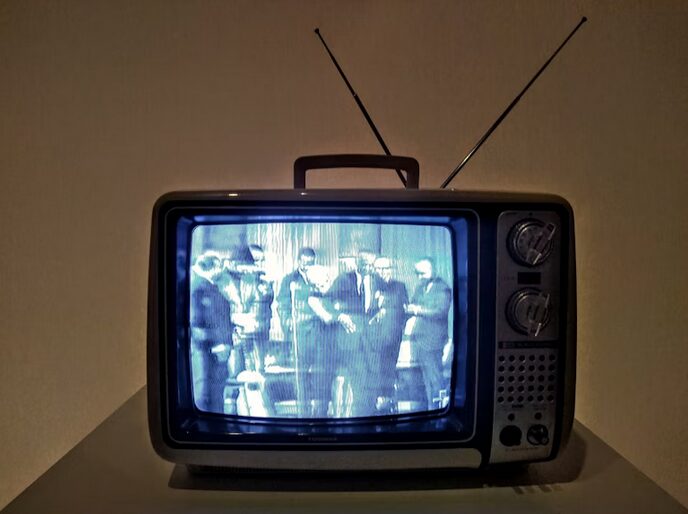
True crime documentaries and legal dramas have surged in popularity over the past decade. From binge-worthy Netflix docuseries to long-running courtroom shows like Law & Order; audiences can’t seem to get enough of crime and justice on screen. But while these shows might be gripping, they’re not always accurate. The reality of the courtroom is often much less dramatic—and a lot more complex—than what’s portrayed on TV. Let’s break down some of the biggest ways true crime and legal shows distort the legal process.
Real Trials Are Rarely Fast-Paced
TV shows tend to wrap up entire cases—from crime to conviction—within an hour. In reality, the legal process is anything but quick. Investigations can take months or even years. Court dates are delayed, motions are filed, and pre-trial hearings can drag on indefinitely. What viewers see as a fast-moving legal battle is often the result of dramatic editing or creative storytelling, not real-world efficiency.
Evidence Isn’t Always Clear-Cut

In true crime series, the “smoking gun” is a staple. Whether it’s a fingerprint, a surveillance video, or a sudden confession, there’s usually some piece of evidence that makes the case feel open-and-shut. Real trials rarely work that way. Evidence can be messy, circumstantial, or incomplete. Prosecutors and defense attorneys often argue over what can even be admitted in court. The process is more about building a narrative than finding a single, irrefutable fact.
Courtroom Behavior Is Overdramatized
Television courtrooms are full of fireworks—shouting lawyers, surprise witnesses, and dramatic objections. In real life, courtroom decorum is taken very seriously. Lawyers don’t yell. Judges don’t tolerate outbursts. And most objections are quietly addressed with legal arguments rather than emotional tirades. The tone is generally formal and subdued, which doesn’t make for great television but is essential for maintaining fairness.
Defendants Have More Protections Than You’d Think
TV often skips over the rights that protect defendants. In shows, suspects are often interrogated without legal counsel or tried in the court of public opinion. But in reality, the legal system is built to protect the accused until proven guilty. From Miranda rights to the presumption of innocence, there are multiple safeguards in place. These protections aren’t always followed perfectly in real life, but they’re far more robust than what you typically see on screen.
Trials Are Rare—Plea Deals Rule
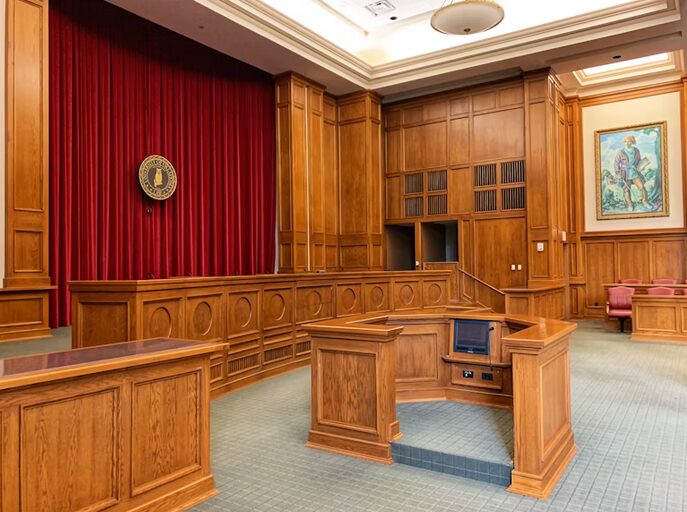
Legal dramas almost always climax in a dramatic trial, but in the real world, around 90% of criminal cases are resolved through plea deals. This means the accused agrees to plead guilty in exchange for a reduced sentence or dropped charges. Trials are expensive, time-consuming, and risky for both sides. As a result, they’re usually the exception, not the rule.
Lawyers Are Less Glamorous Than Portrayed
Television often depicts lawyers as brilliant, fast-talking strategists who always know the right move. While many lawyers are highly skilled, the real job is far more tedious. Much of their time is spent reviewing documents, researching case law, writing motions, and negotiating. The flashy courtroom scenes are just a small fraction of a lawyer’s day-to-day work.
True crime and courtroom shows are designed to entertain, not educate. While they can spark public interest in the legal system and even raise awareness of injustices, they shouldn’t be taken as accurate portrayals of how law actually works. The real justice system is slower, …