
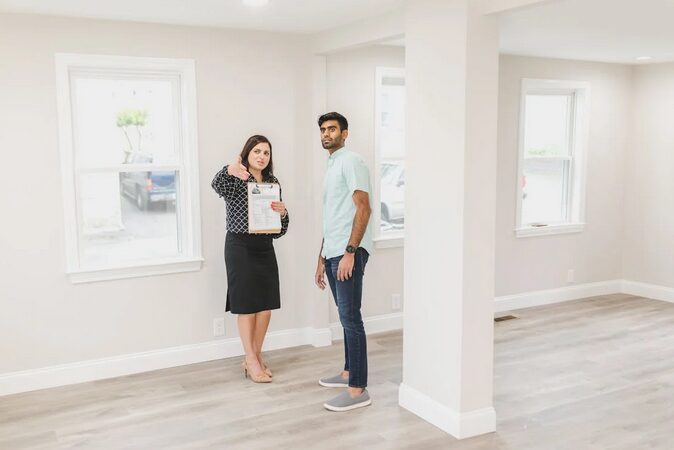
What Interior Designers Notice Instantly in a Home
When most people walk into a home, they notice the big things first: the furniture, the color of the walls, or whether the space feels clean. But interior designers see something very different. Within seconds, they pick up on details that most people overlook completely. It’s not about being overly critical. It’s about training the eye to understand balance, proportion, lighting, and flow. Designers can quickly tell whether a space feels harmonious or slightly “off,” even if everything looks fine at first glance. These small details can change how a home feels more than expensive furniture or trendy décor ever could.
Lighting Sets the First Impression
One of the first things interior designers notice is lighting. It’s not just about brightness, but how the light interacts with the room. Harsh overhead lighting, uneven shadows, or overly dark corners instantly affect how a space feels. Good lighting creates warmth, depth, and comfort. Designers often seek layered lighting, combining ambient, task, and accent light sources. When a room relies on just one type of lighting, it tends to feel flat or uninviting. Even the direction of natural light matters. A room that feels bright and airy during the day but cold and harsh at night usually indicates an imbalance in lighting.
Clutter and Visual Noise
Interior designers don’t just see clutter as “mess.” They see it as visual noise that interrupts the flow of a space. Even well-decorated homes can feel chaotic if too many objects compete for attention. It’s not always about being minimal. A home can be full of personality and still feel calm if items are arranged intentionally. Designers immediately notice when things feel randomly placed or when surfaces are overloaded. What stands out most is whether each item feels like it belongs. If too many objects lack purpose or harmony, the space can feel overwhelming even if it’s technically clean.
Flow and Furniture Placement
Another thing designers pick up on instantly is how people move through a space. Poor furniture placement can make a room feel awkward or uncomfortable without anyone realizing why. If furniture blocks natural walking paths or seating feels too far apart or too cramped, the room’s flow is disrupted. Designers naturally scan for whether the layout supports easy movement and conversation. Even small adjustments, like shifting a sofa slightly or re-centering a table, can completely change how balanced a room feels.
Color Balance and Harmony
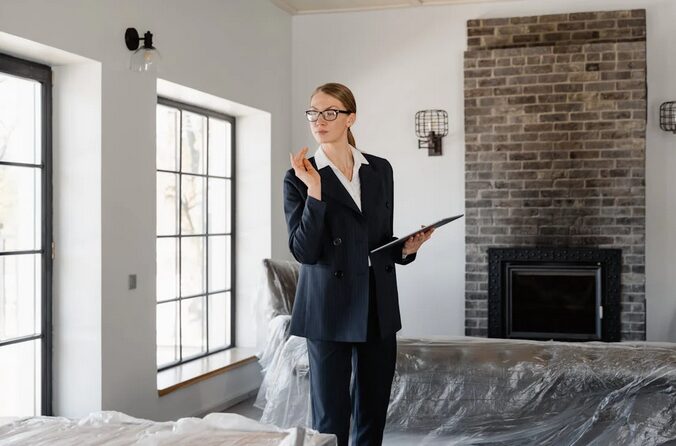
Color is one of the strongest visual signals in any home, and designers notice it immediately. They don’t just look at whether colors are “nice,” but whether they work together in a balanced way. A room might have beautiful furniture, but still feel off if the colors clash or feel disconnected. Designers pay attention to undertones, contrast, and repetition of color throughout a space. They also notice when a room lacks a unifying palette. Without some sense of cohesion, even stylish items can feel scattered rather than intentional.
Texture and Material Choices
Interior designers also instinctively notice texture. A room filled with only smooth or hard surfaces can feel cold, while a space with too many heavy textures can feel overwhelming. Balance is key. Designers often look for a mix of materials like wood, fabric, glass, and metal to create depth and interest. Even in simple rooms, texture plays …